
Who Pays for Climate Action? COP31 Reopens the Argument Over the Donor List
European delegates are pushing for a broader pool of climate-finance contributors, while developing countries stress unfulfilled historic commitments.
A financing argument at COP31
Negotiators in Antalya are debating not only how much climate money is needed, but also who should be expected to provide it. Reporting on November 16 says the EU and France want a wider contributor base, highlighting the economic weight of China and wealthy Gulf states. Developing countries counter that past commitments by established donor countries must be fulfilled before the rules are rewritten.
Promises are not payments
The $100 billion-per-year climate finance goal was achieved later than originally promised, according to the reporting, and the higher $300 billion annual goal for 2035 raises questions of allocation, accounting and verification. A pledge is a political commitment; approved finance is different from disbursed funds; disbursement is different again from projects proving measurable benefits.
The ledger
SOURCE: Le Monde, November 16, and the UNFCCC adopted agenda. DEADLINE: 2035 for the $300 billion annual finance goal discussed in the reporting. OBSERVED RESULT: ongoing negotiations and historical financing information; no final redistribution of legal duties established. VERDICT: PENDING on donor rules and the future finance target.
Why it matters
Any sound assessment must compare like with like: grants versus loans, public versus private flows, committed versus transferred funds, and the location of the ultimate recipient. Comparing headline amounts without those distinctions can manufacture both successes and failures.
Sources and disclosure
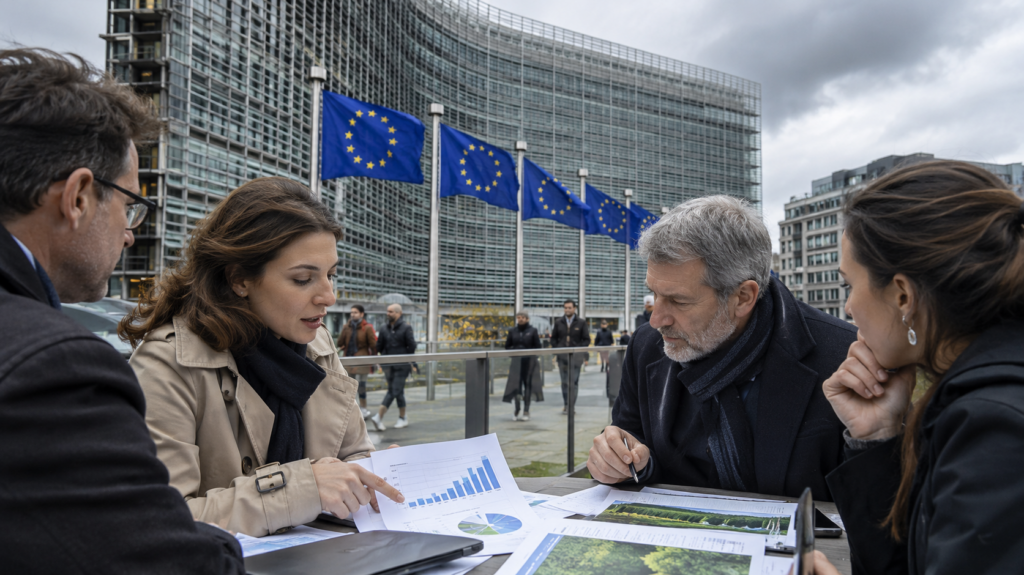
Image disclosure: illustrative image; not a documentary photograph of the event.