CLIMATE: THE PREDICTIONS THAT EXPIRED — A Documentary Investigation by Patrick Panteix
A U.S.-English nonfiction investigation revisits 100 dated climate predictions, checks their original claims against observed outcomes and asks who benefited.
One hundred predictions. One question: what actually happened?
For years, confident predictions have appeared in speeches, media reports, campaigns and policy debates. Some were conditional scientific projections. Others were bold, dated claims with deadlines. Patrick Panteix’s CLIMATE: THE PREDICTIONS THAT EXPIRED returns to 100 dated cases to examine precisely what was said, when the result was expected and what the available record shows.
The evidence comes first
Each case asks four questions: who made the claim, what was the deadline, what was observed, and what verdict the evidence supports. The book is interested in original wording and context—not viral paraphrases that turn qualified projections into absolute predictions.
Not a rejection of climate science
A prediction that fails does not disprove climate science. The distinction matters: a misleading headline, an inaccurate individual forecast and a robust body of research are not interchangeable. The book invites readers to question claims rigorously without replacing evidence with another slogan.
Follow the money and the incentives
Alongside dates and measurements, the investigation explores the incentives around public messaging, corporate investment, subsidies and policymaking. Asking who profited is a question for documentary evidence, not an automatic accusation against researchers or institutions.
Available for American readers
CLIMATE: THE PREDICTIONS THAT EXPIRED is available in English for U.S. readers, in paperback and Kindle editions. Written by Patrick Panteix. Readers can find the book by searching its full title and the author’s name on Amazon. The original cover reproduced here is supplied by the author.
Sources and disclosure
This is an author promotion. The cover is the author-supplied original artwork. No independent scientific findings are claimed in this announcement.
Who Pays for Climate Action? COP31 Reopens the Argument Over the Donor List
European delegates are pushing for a broader pool of climate-finance contributors, while developing countries stress unfulfilled historic commitments.
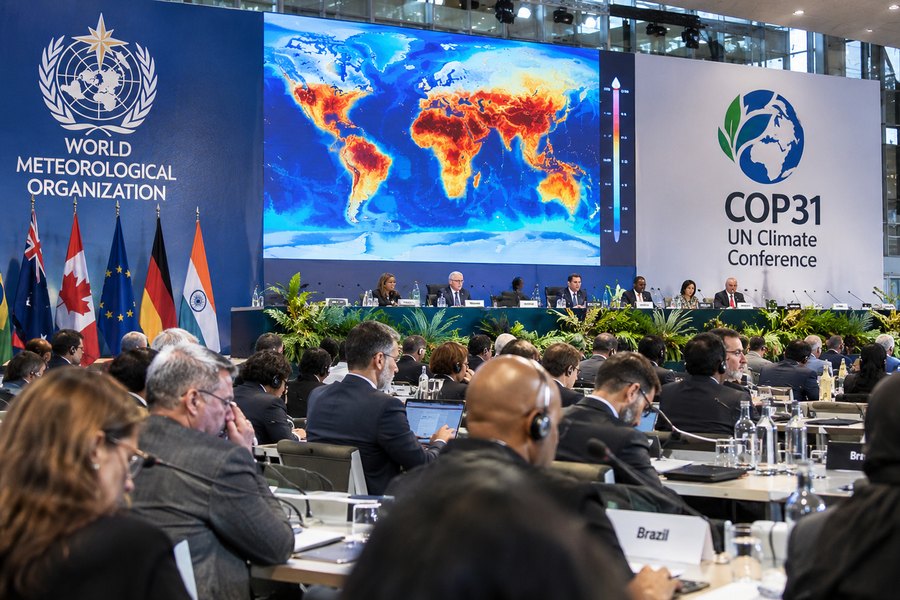
A financing argument at COP31
Negotiators in Antalya are debating not only how much climate money is needed, but also who should be expected to provide it. Reporting on November 16 says the EU and France want a wider contributor base, highlighting the economic weight of China and wealthy Gulf states. Developing countries counter that past commitments by established donor countries must be fulfilled before the rules are rewritten.
Promises are not payments
The $100 billion-per-year climate finance goal was achieved later than originally promised, according to the reporting, and the higher $300 billion annual goal for 2035 raises questions of allocation, accounting and verification. A pledge is a political commitment; approved finance is different from disbursed funds; disbursement is different again from projects proving measurable benefits.
The ledger
SOURCE: Le Monde, November 16, and the UNFCCC adopted agenda. DEADLINE: 2035 for the $300 billion annual finance goal discussed in the reporting. OBSERVED RESULT: ongoing negotiations and historical financing information; no final redistribution of legal duties established. VERDICT: PENDING on donor rules and the future finance target.
Why it matters
Any sound assessment must compare like with like: grants versus loans, public versus private flows, committed versus transferred funds, and the location of the ultimate recipient. Comparing headline amounts without those distinctions can manufacture both successes and failures.
U.S. Data Centers: A New Study Puts the Hidden Carbon Footprint of AI Under Scrutiny
A study described by AP estimates that 403 major American data centers used 82 TWh of electricity in a 12-month period and generated approximately 25.7 million metric tons of CO2.
The estimate behind the headline
Associated Press reported on November 17 that researchers estimate 403 of the largest data centers in the United States consumed 82 terawatt-hours of electricity between May 2024 and April 2025. The associated estimated carbon footprint was approximately 25.7 million metric tons of CO2. These are modeled electricity-related emissions rather than a meter-by-meter inventory of all operating facilities.
The importance of the boundary
The reported study covers a defined sample of 403 facilities and a specified historical window. It cannot automatically be extrapolated to all American data centers or presented as total emissions from the global AI economy. Emissions estimates also depend on how power is supplied, the power mix assumed and the treatment of electricity purchases.
From measurement to pledge
At COP31, a voluntary clean-AI pledge was launched as energy and water demand from computing drew political attention. A voluntary pledge is not a verified emissions reduction, nor does adoption of an AI product prove energy savings. The relevant test is whether companies publish comparable electricity, emissions and water-use figures over time.
Evidence ledger
SOURCE: Associated Press report, November 17, and UNFCCC COP31 public schedule, November 16. DEADLINE: the cited electricity-use window ended April 2025; the new voluntary pledge has no independently verified reduction outcome yet. OBSERVED RESULT: published research estimates for a fixed sample. VERDICT: HISTORICAL ESTIMATE for the 403 facilities; PENDING for the pledge’s future effects.
Uncertainty
The full study and raw facility-level records have not been independently audited for this newsroom file. Numbers are therefore attributed explicitly to the researchers as reported by AP. This is an invitation to scrutinize the accounting, not to mistake modeled precision for direct measurement.
COP31’s First Draft Puts Fossil Fuels and Climate Finance Back at the Center of the Fight
An 18-page COP31 negotiating draft exposes unresolved disagreements on fossil fuels, adaptation funding and a proposed 2035 electricity goal.
A first draft, not a final agreement
On November 16, the COP31 presidency issued its first draft of the conference’s overarching negotiating decision. Speaking at an official press conference in Antalya, Australia’s climate and energy minister Chris Bowen, president of negotiations, explained that the draft was released early to allow time for countries to identify disagreements and negotiate. The document is a working text: inclusion of a proposal does not mean governments have approved it.
What remains contested
Reporting on the 18-page document describes disputes over the language used for the transition away from fossil fuels, the size and allocation of adaptation finance, and a proposal to increase electricity’s share of global energy consumption to 35% by 2035. Those are materially different policy questions. A drafting option, a country proposal and a binding deal should never be counted as the same achievement.
Prediction ledger: what can be tested
SOURCE: UNFCCC transcript dated November 16, 2026, supplemented by Reuters reporting. DEADLINE: COP31 is scheduled to conclude on November 20, 2026; the electricity-share proposal looks to 2035. OBSERVED RESULT: an initial draft and publicly acknowledged disagreements. VERDICT: PENDING for the negotiated outcome and for any 2035 target; neither is an observed achievement.
What to watch next
Compare the November 16 draft with the adopted final text. Record precisely which fossil-fuel language survived, whether finance commitments have quantified baselines, and whether the 35% proposal became a formal undertaking. Public announcements matter, but only dated commitments and observed implementation can close the ledger.
COP31 Negotiators Disagree on Whether a Final Political Decision Should Exist
Updated November 16, 2026. The procedural argument over a COP31 cover decision could shape how fossil-fuel transition and electrification pledges are addressed in the final text.
What changed
Some country groups support a summit-wide cover decision, while others oppose it or question its basis.
This is a dated, attributable development rather than proof that a projected environmental outcome has happened. The underlying documents and reporting identify what has been announced, what has been measured, and what remains open to verification.
Source → deadline → observed result → verdict
Source / claim: Some country groups support a summit-wide cover decision, while others oppose it or question its basis.
Deadline: COP31 close scheduled for November 20, 2026.
Observed result: Mid-conference debate and disagreement documented on November 16. No final COP31 outcome existed at the time of this edition.
Verdict: PENDING — final negotiated decision is not yet available.
What to check next
The next meaningful test is not another declaration but a dated and accessible decision, implementation report, physical measurement, or independently verified number. Where the available figure is an estimate or a scenario, it should not be described as a directly observed outcome.
Why this matters
For readers of CLIMATE: THE PREDICTIONS THAT EXPIRED, the useful distinction is between a public pledge and a measurable claim with a deadline. A pledge without an enforceable timetable is not an already failed scientific forecast. Nor does a disputed policy automatically invalidate climate science. Documentary accountability depends on comparing the original statement with subsequent evidence under the same definitions.
Turkey Hosts COP31 as a Coal-Power Expansion Faces a Court Challenge
Updated November 16, 2026. A new investigation details the proposed expansion of the Afşin-Elbistan coal complex. Its environmental assessment was overturned; the government appealed.
What changed
The power-plant operator proposes adding two 688 MW generating units to the existing coal complex.
This is a dated, attributable development rather than proof that a projected environmental outcome has happened. The underlying documents and reporting identify what has been announced, what has been measured, and what remains open to verification.
Source → deadline → observed result → verdict
Source / claim: The power-plant operator proposes adding two 688 MW generating units to the existing coal complex.
Deadline: Further court proceedings and any new approval/commissioning dates; neither final approval nor future output is established.
Observed result: According to Le Monde, a court overturned the environmental assessment in July 2026; the environment ministry appealed. Pollution and health claims include third-party estimates and accounts.
Verdict: DOCUMENTED DISPUTE — expansion proposed and challenged; completion and emissions impacts not yet observed.
What to check next
The next meaningful test is not another declaration but a dated and accessible decision, implementation report, physical measurement, or independently verified number. Where the available figure is an estimate or a scenario, it should not be described as a directly observed outcome.
Why this matters
For readers of CLIMATE: THE PREDICTIONS THAT EXPIRED, the useful distinction is between a public pledge and a measurable claim with a deadline. A pledge without an enforceable timetable is not an already failed scientific forecast. Nor does a disputed policy automatically invalidate climate science. Documentary accountability depends on comparing the original statement with subsequent evidence under the same definitions.
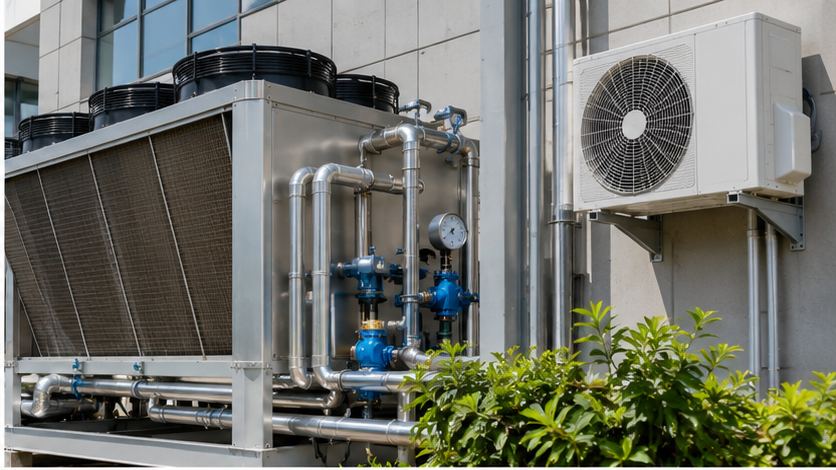
COP31 Puts Cooling and Methane on the Ministerial Agenda — Delivery Comes Later
Updated November 16, 2026. UNEP lists sustainable cooling and super-pollutants as priorities for November 16 ministerial sessions. An agenda is not yet a measurable climate result.
What changed
Ministerial meetings on sustainable cooling and super-pollutants are scheduled for November 16, including heat resilience and clean technologies.
This is a dated, attributable development rather than proof that a projected environmental outcome has happened. The underlying documents and reporting identify what has been announced, what has been measured, and what remains open to verification.
Source → deadline → observed result → verdict
Source / claim: Ministerial meetings on sustainable cooling and super-pollutants are scheduled for November 16, including heat resilience and clean technologies.
Deadline: November 16 meeting and subsequent published commitments; implementation deadlines depend on any decisions reached.
Observed result: UNEP published the agenda on November 15. As of the morning edition, the planned meetings had not yet yielded verified outcomes.
Verdict: PENDING — meeting agenda verified; emissions reductions and delivery cannot yet be asserted.
What to check next
The next meaningful test is not another declaration but a dated and accessible decision, implementation report, physical measurement, or independently verified number. Where the available figure is an estimate or a scenario, it should not be described as a directly observed outcome.
Why this matters
For readers of CLIMATE: THE PREDICTIONS THAT EXPIRED, the useful distinction is between a public pledge and a measurable claim with a deadline. A pledge without an enforceable timetable is not an already failed scientific forecast. Nor does a disputed policy automatically invalidate climate science. Documentary accountability depends on comparing the original statement with subsequent evidence under the same definitions.
A Fossil-Fuel Exit Coalition Moves Forward Without Its Founding Host
Updated November 16, 2026. Ireland and Tuvalu prepare to take the lead as Colombia exits a voluntary fossil-fuel transition initiative. The test is national action, not conference language.
What changed
A voluntary coalition formed to help translate the 2023 fossil-fuel transition pledge into national plans; Ireland and Tuvalu are preparing to assume leadership after Colombia withdrew.
This is a dated, attributable development rather than proof that a projected environmental outcome has happened. The underlying documents and reporting identify what has been announced, what has been measured, and what remains open to verification.
Source → deadline → observed result → verdict
Source / claim: A voluntary coalition formed to help translate the 2023 fossil-fuel transition pledge into national plans; Ireland and Tuvalu are preparing to assume leadership after Colombia withdrew.
Deadline: Upcoming national action plans and 2027 follow-up conference; no binding global phase-out deadline.
Observed result: The coalition is continuing and leadership transition is planned, according to November 15 reporting. No verified emissions reductions are attributable to the announcement.
Verdict: PENDING — implementation and quantified national progress remain to be assessed.
What to check next
The next meaningful test is not another declaration but a dated and accessible decision, implementation report, physical measurement, or independently verified number. Where the available figure is an estimate or a scenario, it should not be described as a directly observed outcome.
Why this matters
For readers of CLIMATE: THE PREDICTIONS THAT EXPIRED, the useful distinction is between a public pledge and a measurable claim with a deadline. A pledge without an enforceable timetable is not an already failed scientific forecast. Nor does a disputed policy automatically invalidate climate science. Documentary accountability depends on comparing the original statement with subsequent evidence under the same definitions.
COP31 leaders discuss climate finance and adaptation in Antalya
On November 12, the COP31 leaders’ program in Antalya included high-level discussions on access to climate finance, urban resilience and adaptation.
What happened on November 12
On November 12, the COP31 leaders’ program in Antalya included high-level discussions on access to climate finance, urban resilience and adaptation.
How the process or money flows work
The UN climate convention’s official program placed a Paris Agreement implementation and finance roundtable alongside sessions on electricity grids, methane, mountains and community resilience.
Documentary method
For financial and institutional reporting, published figures must be checked against their legal and accounting stage. The date, responsible institution, cited record and scope determine how a development should be interpreted.
What the evidence does not prove
A scheduled discussion is not the same as an adopted climate-finance commitment. Statements, pledges, legal decisions and actual transfers of funds belong in separate evidentiary categories.
Documents and next checkpoints
Check the published statements and any subsequent negotiated decisions for exact amounts, beneficiaries, conditions and verification methods.
EU reaches provisional deal on 121 million free carbon allowances
Late on November 12, EU institutions announced a provisional agreement providing a cushion of roughly 121 million free emissions allowances for energy-intensive industries under the EU ETS.
What happened on November 12
Late on November 12, EU institutions announced a provisional agreement providing a cushion of roughly 121 million free emissions allowances for energy-intensive industries under the EU ETS.
How the process or money flows work
The Council describes around 88 million allowances available under existing rules, 28 million previously not allocated because of certain conditions, and a targeted reserve of 5 million from 2026 to 2030.
Documentary method
For financial and institutional reporting, published figures must be checked against their legal and accounting stage. The date, responsible institution, cited record and scope determine how a development should be interpreted.
What the evidence does not prove
This is not a payment of cash to companies or proof that all allowances have already been issued. The agreement still requires institutional endorsement and formal adoption.
Documents and next checkpoints
Track final legal text, benchmark calculations, eligibility and whether the measure changes actual industrial emissions or carbon-leakage risks.